
A published book can do something that a résumé, LinkedIn profile or business card cannot: it gives people a deeper view of how you think.
For professionals with experience in cybersecurity, technology, leadership, finance, education or another specialist field, a book can turn accumulated knowledge into something tangible. It can introduce your ideas before a meeting, continue a conversation after an event and give people a reason to remember your work.
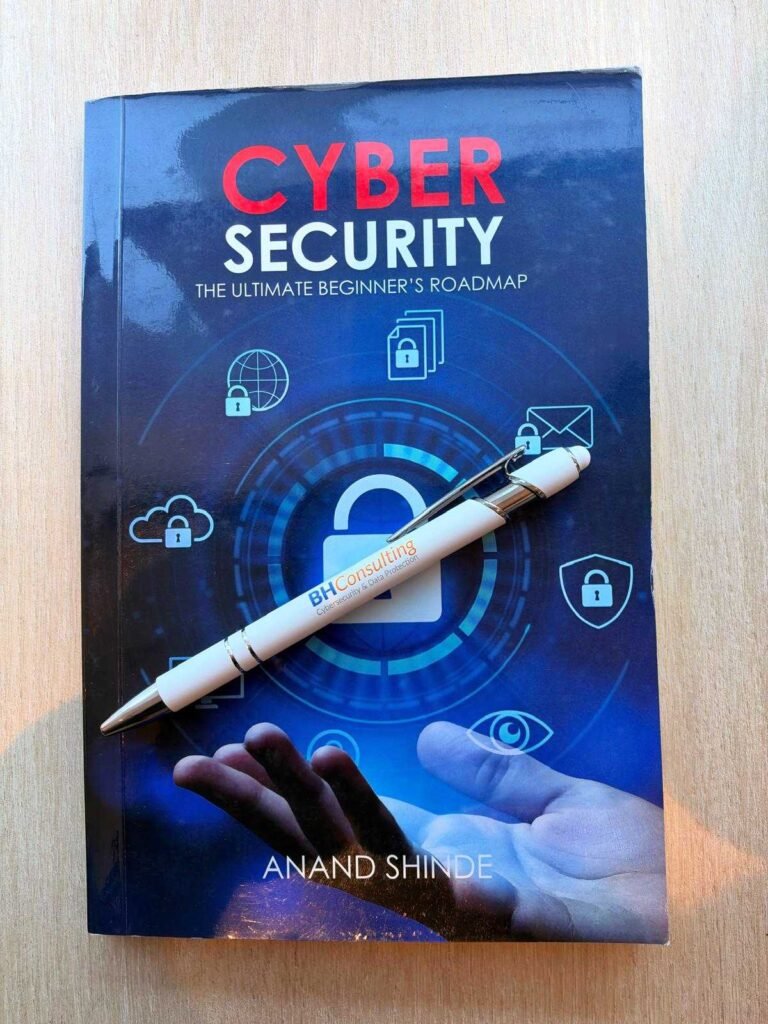
A recent experience involving author Anand Shinde is a useful example. While attending a cybersecurity event in Dublin, Anand met Brian Honan, an internationally recognised cybersecurity and data protection expert and founder of BH Consulting. Anand gave Brian a copy of one of his cybersecurity books. Brian appreciated the book, encouraged him to continue writing on the topic and gave him a pen with his company logo as encouragement.

The lesson applies to many professionals: a book as a professional calling card works best when it is created with substance and shared with humility.
A Book Shows More Than a Professional Profile
A CV is designed to be concise. LinkedIn is useful for showing roles, qualifications and achievements. Both matter, but they usually provide only a summary.
A book gives you room to demonstrate depth.
You can explain how you approach a problem, share lessons from experience, organise a complex subject for beginners or present a framework developed through years of work. Readers see not only what you know, but how clearly you can communicate it.
That is why a well-produced nonfiction book can strengthen professional credibility. It becomes evidence of thought and commitment to a subject rather than simply another line on a profile.
Share Your Book Thoughtfully
Publishing a book does not mean turning every professional interaction into a sales opportunity.
If you meet someone you respect at a conference or professional meeting, gifting your book can be appropriate when the subject is genuinely relevant.
Offer it as something you created and would like to share, without expecting praise, publicity or a favour in return.
A book should start a conversation, not create pressure. If the recipient chooses to read it, comment on it or encourage you, that becomes meaningful precisely because it was not demanded.
Let Feedback Become Fuel for the Next Project
Writers often focus heavily on publication day, but the more important question may be what happens afterwards.
Feedback can reveal which ideas connected strongly, which sections deserve deeper treatment and what questions remain unanswered. Encouragement from someone you respect can also provide the confidence to begin another manuscript.
The goal is not to chase approval. It is to listen.
A thoughtful response may confirm that a topic deserves further exploration, inspire a follow-up book or simply remind you why sharing knowledge matters.
Turn Professional Experience Into a Manuscript
Many professionals already have the foundations of a useful book.
The raw material may exist in presentations, training notes, project lessons, recurring client questions, mentoring conversations or years of solving similar problems.
The challenge is converting that knowledge into a clear reader journey.
Start With the Reader
Ask who the book is for and what they should understand or be able to do after reading it.
Build the Structure
Organise your knowledge into a logical sequence. A strong title also helps position the book clearly; DevOM Publishing’s guide on how to choose a book title is a useful starting point.
Strengthen the Manuscript
Once the draft exists, editing becomes essential. Understanding book editing and proofreading helps authors decide what the manuscript needs before publication.
Prepare It Professionally
Formatting, cover design, metadata and distribution shape the final reading experience. DevOM Publishing’s publishing services and publishing plans can help professionals move through these stages without losing their individual voice.
Your Book Can Keep Working After the Conversation Ends
A professional introduction may last a few minutes. A book can remain on someone’s desk, move to a bookshelf, be recommended to a colleague or reopen a conversation much later.
That is what makes a book different from most professional assets.
It does not merely describe your expertise.
It gives your expertise a form that other people can read, remember and share.
To know more about Anand Shinde and his work in cybersecurity, awareness, and books:
https://anandshinde.com/
If your business needs cybersecurity services, AI security guidance, cloud security review, or protection against modern cyber threats, visit DevOM Consulting:
https://devomconsulting.com/